The most common version of this question is: ‘Is my conversion rate good?’ The honest answer is: it depends entirely on what you sell.
A 1.5% conversion rate is excellent for a cold paid traffic dropshipping store. The same rate from an established supplement brand with a strong email list is a problem worth investigating. Using a single average to benchmark every Shopify store is the reason so many merchants either panic unnecessarily or miss something real.
This guide gives you the actual benchmark for your specific store type, with 16 categories covered, along with what moves the number most in each one.
Quick answer: The overall Shopify average is 1.2-1.8%. A ‘good’ rate is generally 2.5-3.5%+ for most store types. But the number that matters for you is your category benchmark, not the overall figure. Scroll to your store type below.
The Overall Shopify Conversion Rate Benchmark (2026)
Across all Shopify stores, the average conversion rate sits at 1.2-1.8%. This figure combines stores at every stage of growth, across every product category, with every traffic mix imaginable, which is exactly why it’s a poor benchmark for any individual store.
Three things move your conversion rate more than anything else you can directly control:
- What you sell and at what price. A $10 impulse buy converts at a completely different rate to a $400 considered purchase. Lower-priced, frequently repurchased products structurally convert higher. Higher-ticket, research-heavy products convert lower, even on an excellent store.
- Where your traffic comes from. Email traffic from existing customers converts at 4-8%. Cold paid social traffic converts at 0.5-1.2%. Your blended overall rate is an average of these, and it’s almost always misleading without the channel breakdown.
- How long your store has been running. New stores with mostly cold traffic converting at 0.5% are often doing fine. The same rate on a three-year-old brand with an email list and returning customers is a clear signal something is broken.
Good Shopify Conversion Rates by Store Type (2026)
The table below covers 16 Shopify store types. ‘Good’ means the top 25% of performers in each category – not an exceptional outlier, but a consistently well-optimized store with a solid traffic mix.
| Store Type | Typical Average | Good (top 25%) | Key Conversion Factor |
|---|---|---|---|
| Fashion & Apparel | 1.1-1.8% | 2.5%+ | Delivery dates + size confidence |
| Beauty & Skincare | 1.6-2.4% | 3.2%+ | Before/after proof, ingredient trust |
| Health & Supplements | 1.8-2.8% | 3.5%+ | Ingredient transparency, reviews, subscriptions |
| Food & Beverage | 2.0-3.2% | 4.0%+ | Freshness signals, delivery speed, bundles |
| Home & Garden | 1.0-1.6% | 2.2%+ | Room context images, dimensions clarity |
| Sporting Goods | 1.2-2.0% | 2.8%+ | Compatibility info, seasonal urgency |
| Electronics & Gadgets | 0.9-1.5% | 2.0%+ | Spec clarity, warranty, comparison guides |
| Jewellery & Accessories | 1.2-1.9% | 2.8%+ | Gifting urgency, high-quality imagery |
| Baby & Kids | 1.4-2.2% | 3.0%+ | Safety info, certifications, clear sizing |
| Pet Products | 1.8-2.8% | 3.5%+ | Vet endorsements, subscription offers |
| Print-on-Demand | 0.6-1.2% | 2.0%+ | Preview tools, clear production timelines |
| Dropshipping | 0.5-1.0% | 1.8%+ | Delivery clarity is critical, trust signals |
| Shopify Plus / High AOV | 0.8-1.5% | 2.2%+ | Checkout experience, white-glove trust |
| Digital Products / Courses | 2.5-4.0% | 6.0%+ | Instant delivery, social proof, preview access |
| Subscription Boxes | 1.5-2.5% | 4.0%+ | Flexibility messaging, cancellation ease |
| B2B / Wholesale | 0.5-1.2% | 2.0%+ | Net terms, MOQ clarity, account login |
Sources: Littledata ecommerce benchmarks, IRP Commerce industry data, 2024-2026.
What 'Good' Looks Like for Each Store Type
Fashion & Apparel
Fashion is one of the lower-converting categories by nature. High browse intent, long consideration cycles, and the need to visualize fit all suppress the rate relative to categories with fewer barriers. A 1.5% rate is solid for a fashion store with mixed traffic. 2.5%+ signals strong execution.
What works the best: specific estimated delivery dates (“arrives by Thursday” outperforms “3-5 business days” consistently), size confidence tools, and return policy clarity near the buy button. Fashion shoppers abandon most often because they’re uncertain about sizing or delivery timing – both are solvable without a site redesign.
Beauty & Skincare
Beauty converts well relative to fashion because products are lower-priced, repurchase-driven, and trust is easier to build with social proof. A 2% rate is average; 3.2%+ is strong.
Before/after imagery, ingredient transparency, and reviews showing results rather than just satisfaction drive the biggest lift. Subscription offers for replenishment products (serums, moisturizers) can push effective conversion rates well above the category average.
Health & Supplements
Supplements tend to convert well because of habitual repurchase – a meaningful share of every session is warm returning customers. 1.8-2.8% is typical; 3.5%+ is achievable with a strong email programme.
Ingredient transparency and clinical backing are the primary trust levers. Shoppers researching supplements are often comparison-shopping across multiple tabs – pages that answer objections clearly (dosage, sourcing, third-party testing) convert better than pages that lead with branding.
Food & Beverage
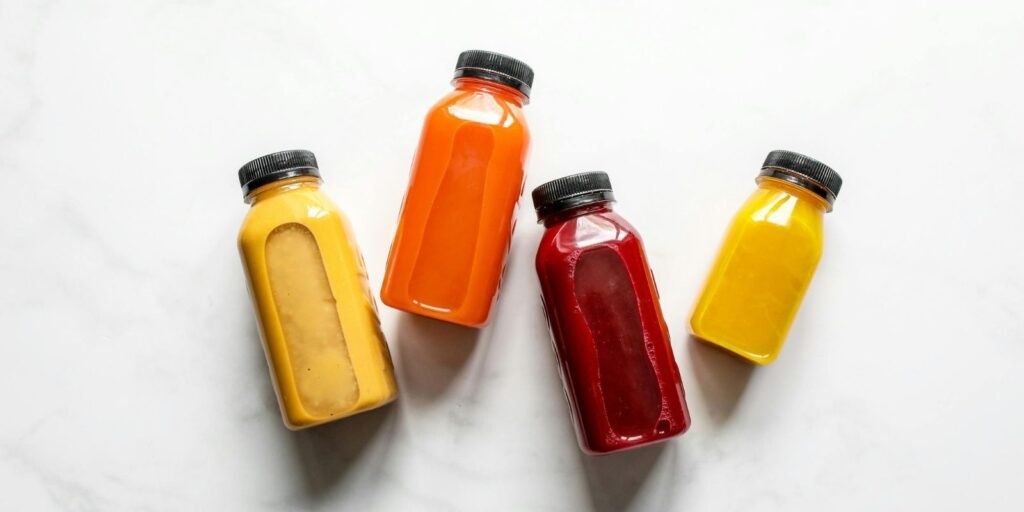
Food and drink are among the highest-converting categories on Shopify. Low price points, clear value, and habitual repurchase combine to produce rates well above the overall average. 2-3.2% is typical; 4%+ is achievable with subscription mechanics.
Delivery speed and freshness signals matter most. A page that shows ‘roasted and shipped today’ or ‘next-day delivery available’ converts meaningfully better than one that treats delivery as an afterthought.
Home & Garden
Home products face longer decision cycles and higher price points than most categories, which structurally depresses conversion rates. 1-1.6% is average; 2.2%+ is strong.
Room-context imagery (showing the product in a real space rather than on a white background), clear dimensions, and realistic delivery timelines are the highest-impact changes for home stores. The purchase hesitation is almost always ‘will this work in my space?’ – pages that answer that visually convert better.
Electronics & Gadgets
Electronics is the most research-intensive category on this list. Shoppers compare specs, read reviews on multiple sites, and often delay purchase. 0.9-1.5% is typical; 2%+ signals strong execution on a genuinely hard category.
Spec clarity, compatibility guides, warranty prominence, and comparison tables are the tools that move this category. The goal is to be the page that answers the last remaining question rather than the page that provides the most information.
Sporting Goods
Sporting goods conversion rates vary significantly by sub-category. Equipment with high compatibility requirements (cycling, skiing) converts lower; consumables and apparel convert higher. 1.2-2.0% covers most of the range; 2.8%+ is strong.
Seasonal urgency is unusually effective in sporting goods because demand is genuinely time-limited. A countdown timer tied to a real end-of-season clearance or pre-season availability carries more weight here than in most other categories.
Jewellery & Accessories
Jewellery sits at the intersection of high price point and gifting behavior, the two factors that pull conversion in opposite directions. Gift intent creates urgency (especially near key dates); high price point creates hesitation. 1.2-1.9% is average; 2.8%+ is strong.
Delivery date specificity is unusually high-impact here because a large share of purchases are time-sensitive gifts. ‘Get it by [date]’ messaging tied to a real shipping cutoff drives more urgency than almost any other tactic in this category.
Baby & Kids
Baby and kids products attract highly motivated buyers but require more trust-building than most categories. Safety information, certifications, and clear sizing guidance directly affect conversion. 1.4-2.2% is average; 3%+ is strong.
Parents buying for young children are risk-averse, meaning a product page that leads with safety credentials and includes detailed size guidance converts meaningfully better than one that assumes the shopper already trusts the brand.
Pet Products
Pet products convert well for the same reason food and supplements do: habitual repurchase and strong owner loyalty. 1.8-2.8% is typical; 3.5%+ is achievable with subscription mechanics.
Vet endorsements and breed/size-specific recommendations are the highest-trust signals in this category. A page that says ‘recommended by veterinarians for dogs over 25kg’ converts better than a generic product page for the same item.

Print-on-Demand
Print-on-demand stores tend to convert lower than other categories because the competition is high, products are often available elsewhere, and production timelines introduce uncertainty. 0.6-1.2% is typical; 2%+ is strong.
Product preview tools (showing the design on the actual item) and clear production timelines are the two highest-impact elements. Shoppers won’t commit to a custom product they can’t visualize, and uncertainty about when it arrives is the most common abandonment trigger.
Dropshipping
Dropshipping stores structurally convert lower than most categories for three reasons: cold traffic dominates, brand trust is low, and delivery timelines are often uncertain. 0.5-1.0% is typical; 1.8%+ signals genuine optimization.
Delivery transparency is more important here than in almost any other category. Shoppers who discover vague or long delivery timelines at checkout abandon at a high rate. Showing clear, specific delivery dates on the product page (before the shopper reaches checkout) reduces this drop-off significantly.
Shopify Plus / High-AOV Stores
High average order value stores convert lower by nature: each purchase involves more consideration, more comparison, and often multiple decision-makers. 0.8-1.5% is typical for AOV above $300; 2.2%+ is strong.
At this price point, the checkout experience and trust signals carry more weight than at lower AOV. White-glove checkout elements (order notes, personalization options, payment flexibility) and prominent post-purchase support signals (phone number, dedicated account manager) make a meaningful difference.
Digital Products & Online Courses
Digital products are the highest-converting category on Shopify. Instant delivery, no shipping uncertainty, and high perceived value combine to produce rates well above the average. 2.5-4%+ is typical; 6%+ is achievable with a strong audience.
Preview access, such as a free chapter, a sample module, or a demo download, is the single highest-impact conversion tool in this category. Shoppers buying digital products want to know what they’re getting before they commit, and a taste of the content is more convincing than any amount of copy.
Subscription Boxes
Subscription box conversion rates are strong when the value proposition is clear, and the commitment feels flexible. 1.5-2.5% is typical; 4%+ is achievable when cancellation flexibility is prominently communicated.
The biggest conversion barrier in subscription boxes is commitment anxiety, as shoppers who want the product but worry about being locked in. Pages that lead with ‘cancel anytime’ and ‘pause when you need to’ consistently outperform those that bury flexibility terms.
B2B / Wholesale
B2B and wholesale Shopify stores operate with different conversion dynamics entirely. The ‘conversion’ in B2B is often a quote request, a sample order, or an account registration rather than a direct purchase. 0.5-1.2% on direct purchase is typical; the more meaningful metric is qualified lead rate.
Net payment terms, minimum order quantity clarity, and account login for repeat ordering are the primary conversion levers in B2B. Confusion about any of these (especially MOQs or pricing visibility) drives qualified buyers away before they reach checkout.
When Your Conversion Rate Is Fine As-Is
Before trying to improve your rate, it’s worth checking whether it’s actually a problem for your specific situation.
- New store, mostly cold paid traffic: 0.5-1.0% is expected and normal. The rate will improve naturally as your email list grows and returning customers become a larger share of sessions. The right investment at this stage is usually traffic quality, not conversion optimization.
- High AOV with strong revenue per session: A 0.8% rate on a $600 average order generates the same revenue per 1,000 sessions as a 3.2% rate on a $150 average order. If your unit economics are strong, a below-category-average rate may be structurally expected.
- Heavy cold paid social mix: Post-iOS 14, cold paid social conversion rates are structurally lower than pre-2021 benchmarks. If 70%+ of your traffic is cold paid social, your rate will sit below category average regardless of store quality.
→ How to improve your rate once you’ve confirmed it’s a real problem →
How to Read Your Own Rate Accurately
Two checks before comparing against any benchmark:
- Verify your tracking is accurate. Duplicate conversion events or missing checkout steps will make your rate look wrong in both directions. If your GA4 purchase count and Shopify order count differ by more than 10%, fix the tracking before drawing conclusions.
- Segment by channel before comparing. Your blended rate is almost always misleading. Break it down by organic, paid, email, and direct – each has a different realistic benchmark.
The three funnel metrics that tell you more than your overall rate: add-to-cart rate (industry average 6-8%), cart-to-checkout rate (45-55%), and checkout completion rate (45-60%). These tell you exactly where in the funnel you’re losing people.
FAQs
What is a good conversion rate on Shopify?
For most Shopify store types, 2.5-3.5% is considered good performance. The overall Shopify average is 1.2-1.8%. What’s ‘good’ for your store depends on your category: food and digital products can reach 4-6%, while electronics and dropshipping typically sit at 1-2% even when well-optimized. Use the store-type table above to find your relevant benchmark.
What is a good conversion rate for a new Shopify store?
For a new store with mostly cold paid traffic, 0.5-1.0% is typical and not a problem. Rates below 0.3% consistently usually indicate a product page or trust signal issue rather than a traffic problem. Conversion rates improve naturally as your email list builds and returning customers become a larger share of sessions.
Is a 2% conversion rate good on Shopify?
In most categories, yes, 2% is at or above the Shopify average. In fashion, electronics, and home goods, it sits above average. In food, supplements, and digital products, it’s closer to average. The more important question is what channel that 2% is coming from: 2% from cold paid social traffic is excellent; 2% from a warm email list suggests room for improvement.
How do I increase my Shopify conversion rate without a developer?
Most high-impact Shopify CRO changes don’t require developer help. Adding estimated delivery dates, trust badges, and countdown timers to product pages can be done with apps that install in minutes. A free shipping progress bar in the cart and a sticky add-to-cart bar on mobile are two of the most consistent conversion improvements across store types, both are no-code. Essential Apps covers all of these with free plans and a 5.0 rating on the Shopify App Store.
What is a smooth Shopify checkout experience and how does it affect conversion?
A smooth checkout means no surprises: shipping costs visible before checkout, guest checkout available by default, minimal required form fields, and address autocomplete enabled. Checkout is the stage where the highest-intent shoppers abandon, not because they changed their mind, but because something created unexpected friction. Removing one unnecessary checkout field or showing the shipping cost earlier typically produces a measurable lift in checkout completion rate.
Can improving my Shopify conversion rate by 1% make a real difference?
Yes. A 1 percentage point improvement compounds significantly. A store doing $500K/year at a 1.5% conversion rate generates an additional $333K annually at 2.5%, with the same traffic. The gain doesn’t require finding a new audience or spending more on ads. It comes from converting more of the visitors already landing on your store.
What conversion rate should a Shopify dropshipping store aim for?
Dropshipping stores typically convert at 0.5-1.0% because of cold traffic dominance and lower brand trust. A 1.5%+ rate from a dropshipping store with mostly cold paid traffic is strong performance. The highest-impact fix for most dropshipping stores is delivery date clarity on the product page: vague or long timelines are the most consistent conversion killer in the category.
What is a good conversion rate for a Shopify B2B or wholesale store?
B2B Shopify stores converting direct purchases typically see 0.5-1.2%. In B2B, the more useful metric is often qualified lead or quote request rate rather than direct purchase conversion rate. The main conversion levers are MOQ clarity, net payment terms, and account login for repeat ordering. Confusion about any of these drives qualified buyers away before checkout.
What Shopify apps help improve conversion rate?
Essential Apps covers the key conversion levers: Essential Estimated Delivery Date for delivery clarity on product pages, Essential Trust Badges & Icons for purchase confidence, Essential Countdown Timer Bar for urgency during promotions, Essential Free Shipping Upsell for cart retention, and Essential CRO Split AB Testing for validating changes. All are rated 5.0 on the Shopify App Store with free plans available.
Essential Apps covers the full Shopify CRO toolkit: estimated delivery dates, trust badges, countdown timers, free shipping bars, and A/B testing. Free to start, 5.0 rating across 10,000+ reviews.