
Running an ecommerce business today is not just about having great products. A successful store needs a clear strategy that covers customer acquisition, on-site experience, conversion, retention, data, and operations. With competition rising across every industry, the brands winning in 2025 are the ones that approach ecommerce with structure and intention rather than relying on guesswork.
This guide breaks down the core pillars of a strong ecommerce strategy and shows you how to implement them using proven methods. While everything here applies to any ecommerce model, Shopify stores in particular can get extra value because the platform already supports most of these tactics with built-in features, apps, and third-party integrations. Whether you are building your first store or scaling an existing one, this guide gives you the blueprint to build a strategy that boosts visibility, conversions, and long-term growth.
1. Build a Data-Supported Foundation
A strong ecommerce strategy begins long before any ads, product launches, or design updates. It starts with understanding your audience and market. Many store owners skip this phase because it feels slow, but without reliable data, the decisions you make later become guesses rather than investments.
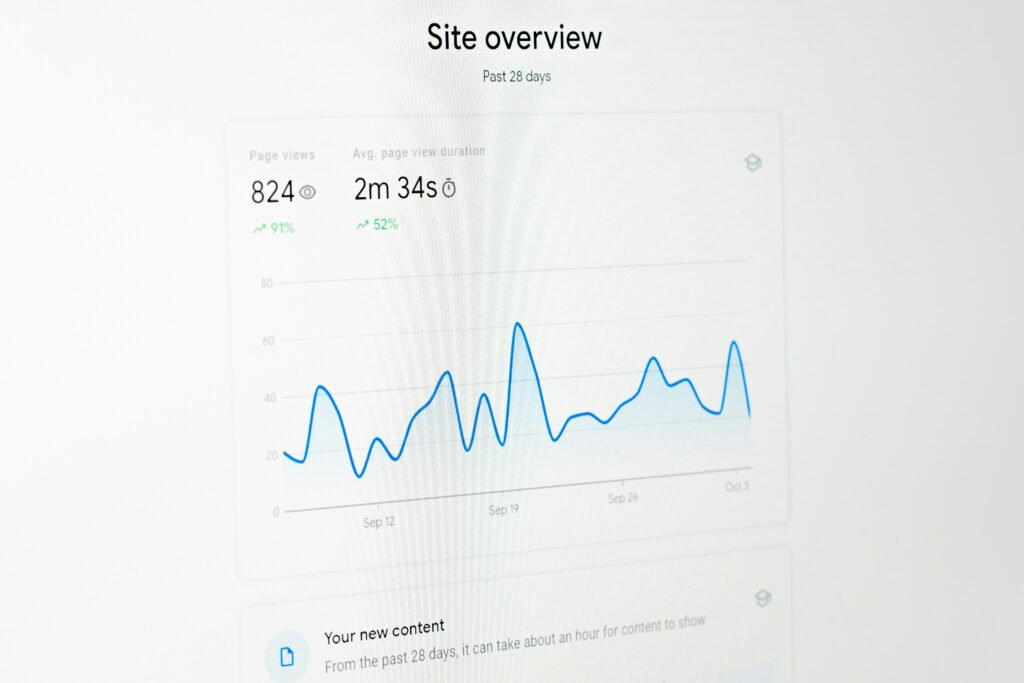
Start by reviewing your store analytics to understand who is buying, when they convert best, and what barriers stop them. Shopify Analytics provides detailed insight into traffic sources, conversion steps, abandoned carts, checkout flow, returning customer behavior, and product performance. This information helps reveal opportunities and weaknesses in your current approach.
Alongside your analytics, run competitor research to understand how similar stores position themselves. Look at their pricing, product pages, trust signals, promotional methods, and shipping offers. Do not copy them, but use their strengths and weaknesses to refine your own positioning.
Finally, conduct audience research. Customer reviews, support tickets, surveys, and search intent data show what shoppers value most. These insights make every future strategy more precise, from content creation to product messaging.

2. Improve Your Website Experience With Purpose
Your website is your digital storefront, and it needs to operate smoothly to retain customers. A great ecommerce strategy focuses on making browsing effortless and buying quick. Shoppers abandon websites the moment something feels confusing, outdated, or slow.
A clean and intuitive layout helps visitors find what they need without friction. Start by reviewing your homepage structure and ensuring it leads shoppers to key categories or best sellers. Shopify’s modern themes like Dawn and Studio already give brands a strong foundation to build on.
Speed is another critical factor. Slow-loading pages frustrate customers and lead to high bounce rates. Compress images, limit heavy scripts, and remove apps you no longer use. Shopify’s speed tools and modern hosting help maintain faster load times than most platforms.
Navigation should feel natural. Clear menus, collection filters, and search bars help customers get where they want quickly. Faster discovery equals higher conversions, especially for stores with large catalogs.
3. Elevate Your Product Pages With Selling Power
Product pages are where final decisions happen. Even if your home page performs well, the sale happens here. An optimized product page should answer every question, remove every doubt, and guide users toward the purchase confidently.
Compelling product descriptions matter. They should focus on benefits rather than only features. Help shoppers imagine how the product fits into their lives instead of simply stating what it is.
High-quality visuals make a huge difference. Add multiple product photos, lifestyle shots, and videos if possible. Shopify supports video uploads directly on product pages, which helps shoppers visualize the product more accurately.
Trust signals also influence buying decisions. Customer reviews, clear shipping timelines, security badges, and return policies increase confidence. These elements reduce hesitation and support faster purchasing decisions.
Pricing transparency is equally important. Show sale prices, savings, or bundle value clearly. When shoppers understand the value instantly, conversions rise naturally.
4. Strengthen Your Conversion Path and Reduce Friction
Even strong product pages can underperform if the checkout flow feels inconvenient. A well-designed ecommerce strategy removes friction from every step of the shopper journey.
Start with a clean and easy-to-understand cart. Customers should be able to update quantities, remove items, and view shipping details without confusion.
Shopify’s checkout is already highly optimized, but you can improve it further by removing unnecessary fields and ensuring your payment methods reflect customer preferences. Offer options like Shop Pay, PayPal, and Buy Now Pay Later solutions to accommodate different buyers.
Calls to action should be clear and always visible. Mobile-friendly positioning is especially important, since most customers scroll through product details before deciding.
Shipping information is often the biggest conversion blocker. Clearly showing delivery estimates, free shipping thresholds, and return guidelines creates a sense of transparency and prevents mid-checkout frustration.
5. Increase Traffic With Smarter Acquisition
Traffic only matters when it is targeted and relevant. A strong ecommerce strategy blends multiple channels to create consistent growth.
Search engine optimization remains one of the most effective long-term channels. Optimizing product titles, meta descriptions, alt text, and internal links helps your store rank higher on Google. Shopify provides SEO SEO-friendly structure out of the box, which simplifies the process.
Paid advertising can scale your traffic quickly. Google Shopping, Meta Ads, TikTok Ads, and Pinterest Ads all have their own strengths. The best approach involves understanding your audience and using creatives that speak directly to them.
Content marketing drives discovery. Blog posts, gift guides, comparison articles, and tutorials attract shoppers who are still in research mode. This traffic often converts later through remarketing and email flows, making it a valuable addition to your strategy.
Influencer marketing also plays a role in modern acquisition. Even small creators with engaged audiences can bring high-quality traffic when their audience trusts their recommendations.
6. Boost Average Order Value With Smart Incentives
Increasing your average order value is one of the most efficient ways to drive more revenue without spending more on traffic. When customers buy a little more each time, your profit grows significantly.
Bundles and upsells work extremely well. Recommend complementary items, upgraded versions, or value packs that encourage shoppers to add more to their cart.
Free shipping thresholds are another proven tactic. When customers see how close they are to unlocking free shipping, they often increase their cart value. Choose a threshold that improves your margins while still feeling achievable.
Limited editions, seasonal items, and early access exclusives also boost average order value by tapping into shopper excitement.
7. Strengthen Customer Retention and Loyalty
Repeat customers are the most profitable customers. They convert faster, spend more, and require less marketing effort. A smart ecommerce strategy invests in turning first-time buyers into loyal repeat customers.
A loyalty program is a great place to start. Reward customers for purchases, referrals, birthdays, social interactions, or reviews. The more value they earn, the more likely they are to return.
Email marketing is another retention powerhouse, and so is Dondy for WhatsApp marketing. Send personalized recommendations, back in stock alerts, or exclusive offers based on shopper behavior. Shopify Email and connected tools make this easy to automate.
A strong post-purchase experience also impacts retention. Customers appreciate timely order updates, clear tracking pages, and responsive support. When shoppers trust your brand, they return naturally.
Collect feedback regularly. Use reviews, surveys, and support conversations to learn what customers appreciate and where they face difficulties. This information helps shape future improvements.

8. Plan Seasonal Strategies for Predictable Growth
Seasonal shopping events like Black Friday, holiday gifting, and New Year’s sales create spikes in traffic and demand. A solid ecommerce strategy prepares them early.
Create a promotional calendar that outlines offer types, marketing channels, creative concepts, and deadlines. Preparing early avoids last-minute stress and gaps in communication.
Seasonal content helps shoppers discover your store. Gift guides, comparison lists, top sellers, and themed landing pages capture relevant search traffic before the main event.
Urgency tools like countdown timers, limited-time discounts, and exclusive early access lists motivate shoppers to purchase sooner. On Shopify, these tactics are easy to implement and integrate well with your storefront.
Inventory planning is equally important. Review your sell-through rates, restock cycles, and demand forecasts to prepare enough stock for seasonal peaks.
9. Track Performance and Optimize Continuously
Ecommerce success relies on consistent iteration. Data shows you what works and what needs improvement.
Monitor your conversion rate, average order value, returning customer rate, customer acquisition cost, and revenue per visitor. Shopify’s analytics dashboard gives you a clear overview of these metrics.
A/B testing offers valuable insight. Test headlines, product images, calls to action, bundle options, or landing pages to see which variations perform better. Even small improvements can make a significant long-term impact.
Customer behavior reports also help. Understanding where shoppers drop off or how they navigate your site highlights new opportunities for optimization.
Use what you learn to adjust your strategy regularly. Scale channels that perform well, optimize pages that underperform, and continue refining the areas with the highest revenue potential.
10. Useful Tools to Support Your Ecommerce Strategy
While this guide focuses on strategy rather than specific tools, Shopify merchants can enhance many tactics with trusted apps. Essential Apps offers solutions that support urgency, upsells, preorders, delivery transparency, loyalty, and improved shopping experiences.
The Essential Countdown Timer boosts urgency during seasonal events and limited-time promotions.
The Essential Free Shipping Bar increases average order value through dynamic progress messaging.
The Essential Upsell and Cross-Sell App enhances product pages with smart recommendations.
The EcomScout Trending Products tool helps merchants identify in-demand products and validate new ideas before launching or scaling.
The Essential Preorder and Back in Stock App helps you capture sales even when items are unavailable.
The Essential Estimated Delivery App improves trust by showing accurate shipping timelines.
The Essential Sticky Add to Cart App helps mobile shoppers convert faster with always visible buttons.
The Essential Loyalty Program strengthens customer retention and rewards ongoing engagement.
These tools are optional, but they support and enhance many concepts discussed in this guide.

Conclusion
A strong ecommerce strategy brings together data, design, messaging, customer experience, and retention into one long-term plan. Shopify provides a powerful foundation for anyone who wants to build a high-performing store, and with the right structure, any merchant can grow consistently.
Success comes from combining everything you have learned into a clear roadmap: attract customers, help them find what they need, guide them toward purchase confidently, and keep them returning. With thoughtful planning and ongoing optimization, your ecommerce strategy can support sustainable growth for years to come.
FAQs
Start by analyzing your audience, optimizing your website, improving product pages, refining your checkout flow, building traffic channels, and planning retention programs. A strong ecommerce strategy combines data, goals, and consistent optimization.
Increase ecommerce sales by improving product pages, enhancing user experience, adding urgency, simplifying checkout, boosting average order value, and using email and loyalty tools to retain customers.
Without a strategy, growth becomes unpredictable. A structured ecommerce plan helps you make informed decisions, improve conversions, lower costs, and increase customer loyalty.
Focus on SEO, paid ads, content marketing, social media, and influencer partnerships. Each channel brings different types of traffic and supports long term growth.
Yes. Shopify is one of the most beginner-friendly ecommerce platforms. It offers built-in tools, intuitive design options, and thousands of integrations that help new merchants grow quickly.